Engineering and Operational Guide to HICLOVER Waste Incinerator Systems
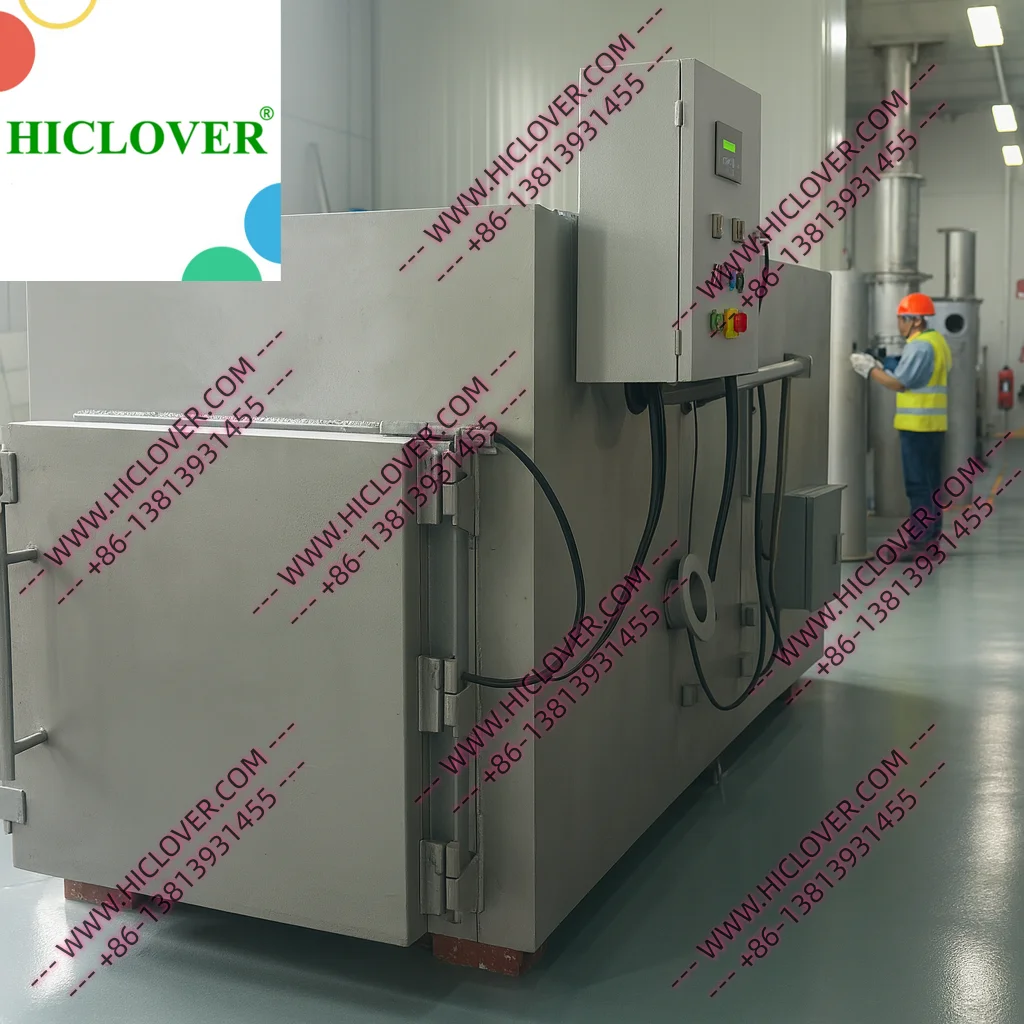
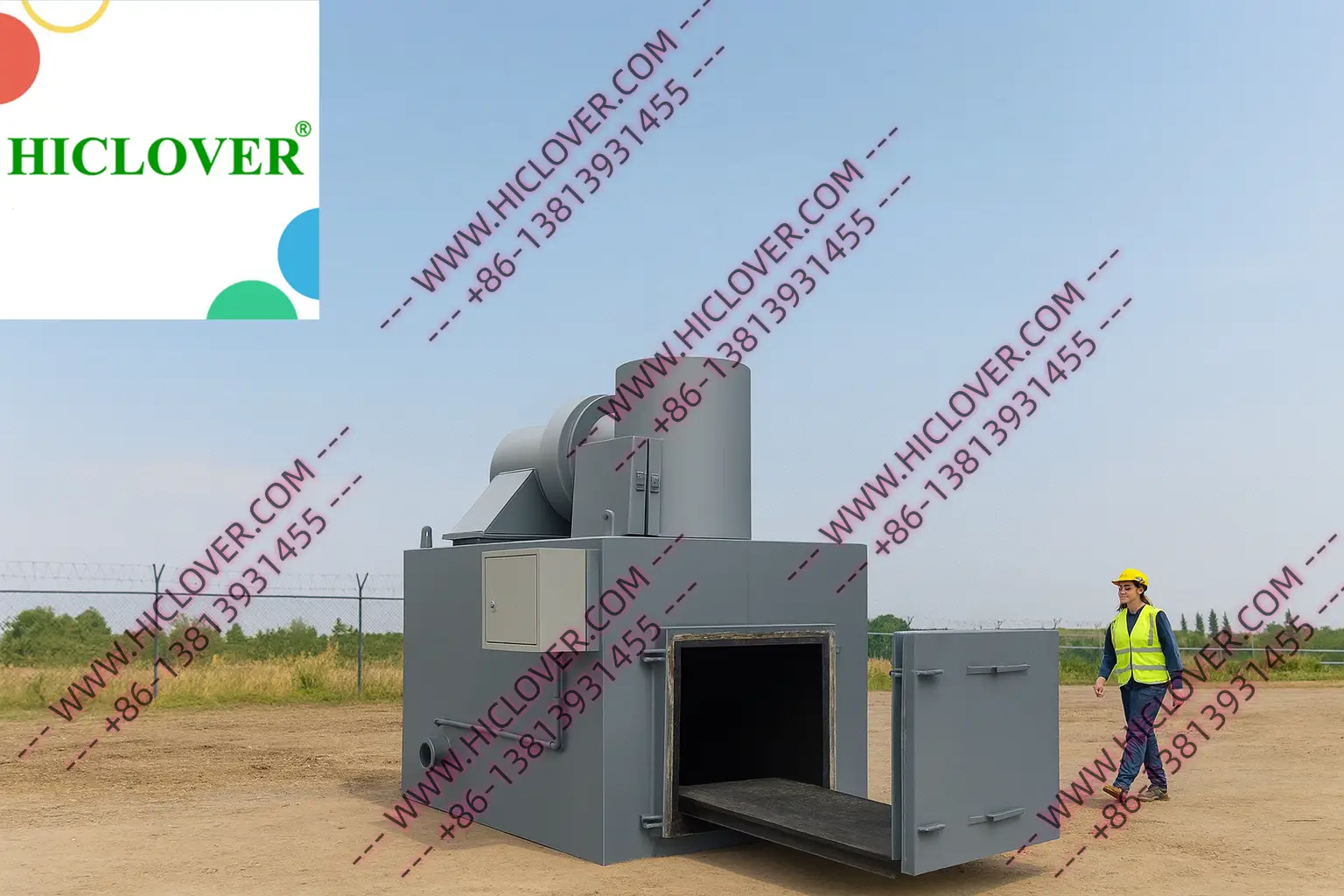
The specification and deployment of a HICLOVER waste incinerator require a comprehensive understanding of thermal destruction principles, regulatory compliance, and robust engineering. For technical professionals managing complex waste streams—from clinical to industrial materials—these systems represent a critical asset for achieving safe, localized disposal. Adherence to stringent engineering standards, such as those governing **waste incinerator technical specifications for hazardous materials**, is fundamental to their design. HICLOVER systems are engineered for high-reliability performance, typically operating within a controlled temperature range of 850°C to over 1200°C to ensure the complete destruction of harmful pathogens and chemical compounds. The engineering precision inherent in these waste incinerators ensures they meet demanding operational requirements across a spectrum of global applications.
Core Engineering Principles and System Design
The efficacy of modern waste incinerators is predicated on a foundation of advanced combustion science and superior material engineering. These elements work in concert to guarantee not only waste volume reduction but also the neutralization of hazardous components in compliance with strict environmental mandates, including EU and WHO emission frameworks. A well-designed system, such as those manufactured by HICLOVER, integrates these principles from the ground up, moving beyond simple combustion to provide a sophisticated thermal oxidation process. This approach is critical in an era of heightened ESG (Environmental, Social, and Governance) compliance pressure and the need for decentralized waste management solutions in both developed and remote regions. The focus is on a complete, controlled process that ensures predictable and verifiable outcomes, a stark contrast to lower-specification equipment that may fail to meet modern regulatory and operational demands.

Dual Chamber Combustion and Thermal Retention
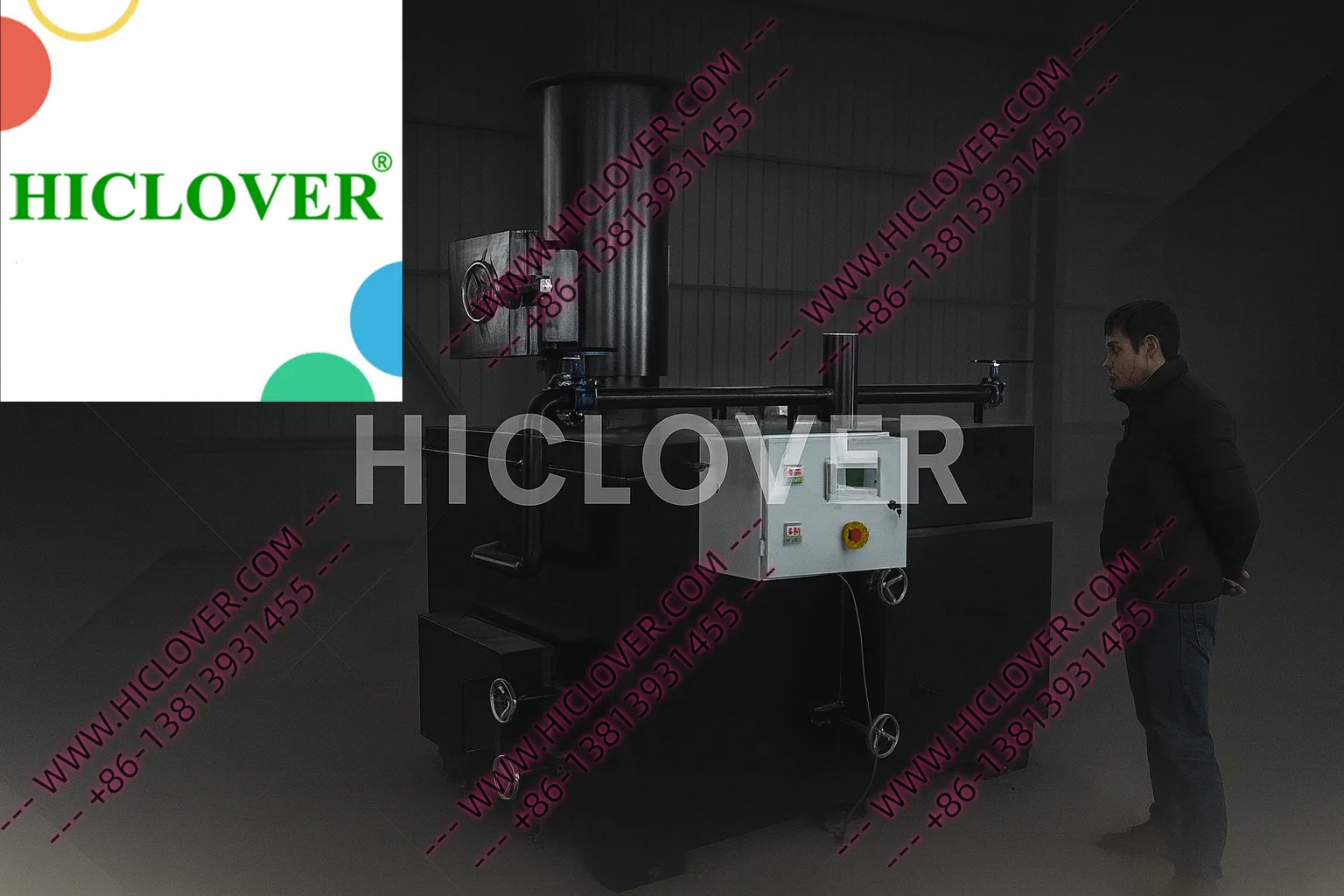
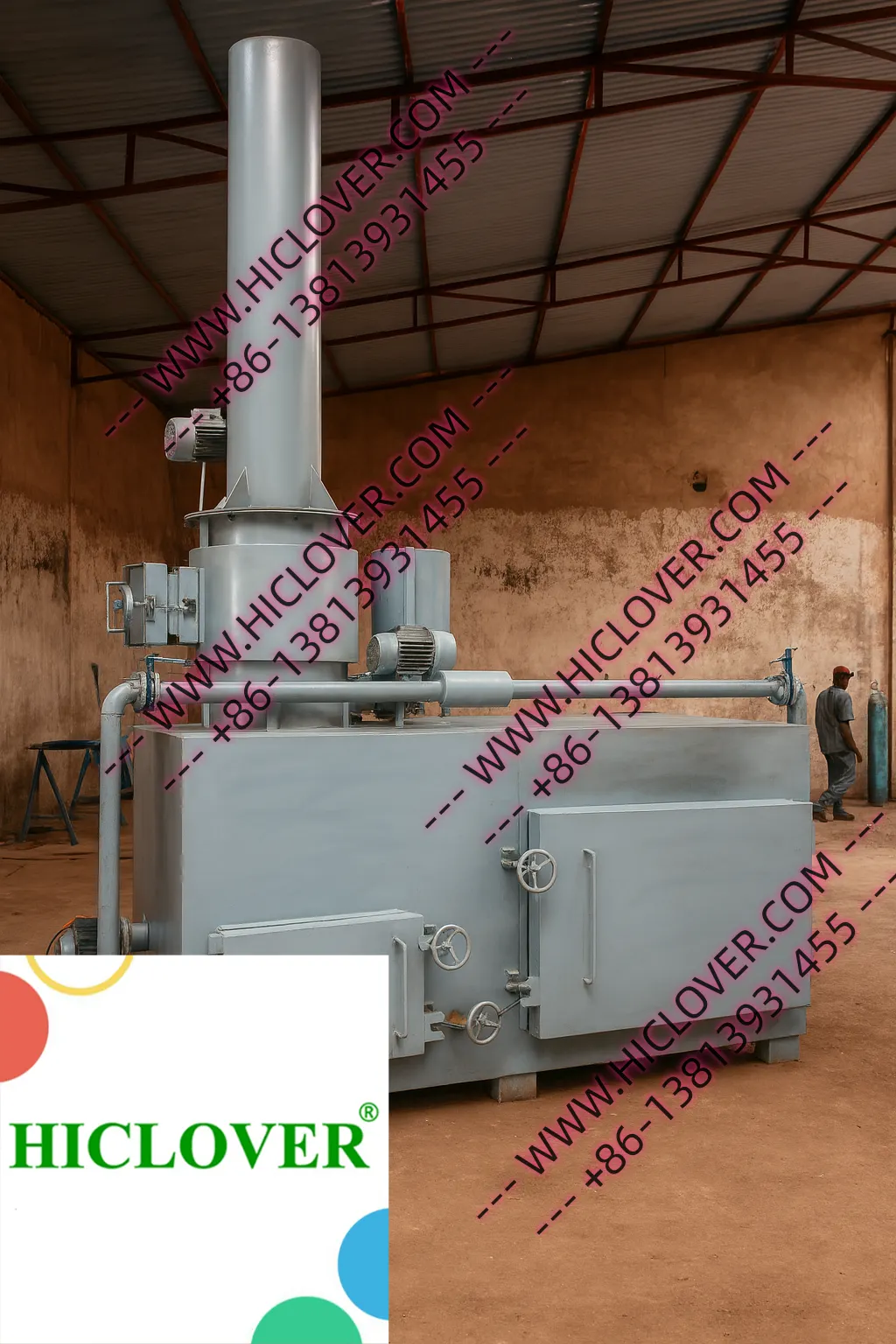
The cornerstone of an effective HICLOVER thermal system is its dual-chamber design. The primary chamber functions as a gasification unit, operating at lower temperatures (approximately 800-850°C) under controlled oxygen conditions. This process pyrolyzes the solid waste, converting it into a mixture of combustible volatile gases, ash, and non-combustible materials. This initial stage is designed for bulk reduction and volatilization, not complete combustion.
The resultant syngas is then directed into the secondary chamber, or afterburner, which is the critical stage for emissions control. Here, a secondary burner elevates the temperature to 1100°C or higher, and a surplus of air is introduced to facilitate the complete oxidation of the volatile compounds. A minimum gas retention time of two seconds at this elevated temperature is enforced, a standard critical for the thermal destruction of highly stable and toxic compounds like dioxins and furans. This two-stage process ensures that the final flue gas exiting the system is substantially cleaner than what could be achieved with a single-chamber design, directly addressing the global trend toward reducing carbon and pollutant emissions from industrial processes. The precision control over temperature and retention time, often managed by a PLC, is a hallmark of HICLOVER’s engineering philosophy.
Material Selection and Refractory Integrity
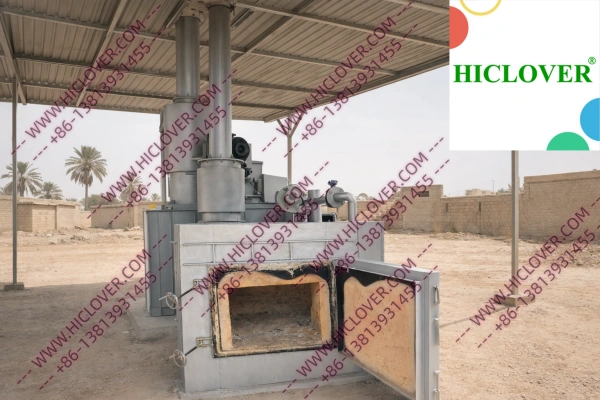
The operational longevity and safety of high-temperature waste incinerators are directly dependent on the quality of their refractory materials. The **Incinerator cement lining** is a critical component subjected to extreme thermal cycling, chemical attack from acid gases, and mechanical abrasion from waste materials. HICLOVER utilizes high-alumina refractory concrete, a material specifically chosen for its low thermal conductivity, high-duty service temperature, and exceptional resistance to thermal shock. This robust lining insulates the steel shell of the incinerator, maintaining its structural integrity while ensuring that the internal combustion temperatures remain stable and efficient. Inferior refractory materials can lead to premature failure, costly downtime, and potential safety hazards. By operating as a direct-from-factory manufacturer, HICLOVER maintains complete control over the sourcing and application of these critical materials, an advantage not available through equipment trading companies that often lack deep manufacturing oversight.

Accurate Sizing and Capacity Assessment
A common engineering oversight is the misspecification of incinerator capacity. The process of **incinerator capacity calculation** is more complex than simply matching the chamber volume to the daily weight or volume of waste. A proper assessment, as conducted by HICLOVER’s engineering team, involves a detailed analysis of the waste stream’s characteristics, including its calorific value (heating value), moisture content, density, and chemical composition. A high-moisture waste stream, for instance, requires significantly more energy (and thus burner capacity) to combust than a dry, high-calorific-value stream of the same weight. HICLOVER’s factory-direct engineering support allows clients to perform this analysis accurately, ensuring the selected unit is neither undersized (leading to incomplete combustion and compliance failures) nor oversized (resulting in unnecessary capital expenditure and operational inefficiency). This customizable approach allows for the engineering of chamber volumes and burner systems tailored precisely to the client’s unique operational needs, from small-scale clinics to large industrial facilities.
System Configuration and Deployment Scenarios
The transition from theoretical design to practical deployment requires careful consideration of site-specific constraints, operational objectives, and regulatory landscapes. The versatility of the HICLOVER waste incinerator portfolio allows for tailored configurations that address a wide range of scenarios, from permanent installations in urban hospitals to rapid-deployment units in humanitarian crisis zones. This adaptability is a key driver in the trend toward decentralized waste management, where treatment occurs at the point of generation, enhancing biosecurity and reducing logistical complexity. The choice between fixed and mobile systems, manual and automated controls, and different emission scrubbing technologies allows engineers to specify a system that is perfectly aligned with both current needs and future scalability. This level of customization is a direct benefit of working with an experienced manufacturer capable of navigating diverse technical and logistical challenges.
Fixed vs. Mobile Containerized Systems
Traditional fixed-foundation waste incinerators are the standard for long-term, high-volume facilities like large hospitals or municipal waste centers. However, an increasing number of applications demand mobility and rapid deployment. In response to this need, which is amplified by global infectious disease preparedness and the operational demands of remote mining or oil camps, HICLOVER has engineered a line of containerized mobile systems. These units are fully assembled and tested within a standard ISO shipping